COLORADO ELECTRO-OPTICS Sensor
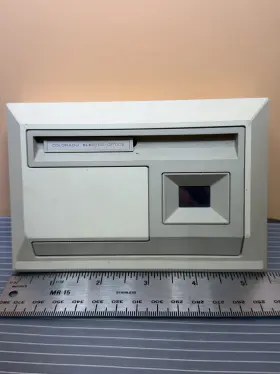
( Brand: Colorado Electro-optics ), ( Manufacturer Part Number: 80AP40 ), ( Model: COLORADO ELECTRO-OPTICS 80AP 40 80AP40 ), ( Type: Sensor )
Review COLORADO ELECTRO OPTICS 40 Sensor Used
The 80AP40 electro-optic sensor, also known as the 80AP model, is a versatile and advanced sensor designed for various applications in the field of electro-optics. This sensor features an innovative design that combines both photoelectric and proximity sensing capabilities in a single compact unit.
The 80AP40 sensor is based on the principle of electro-optic sensing, where an infrared light beam is modulated and the resulting changes in the electrical current are measured to determine the presence and proximity of targets. This sensor is ideal for detecting objects that absorb, reflect, or scatter infrared light, making it suitable for use in a wide range of industrial automation, process control, and security applications.
The sensor housing is made of durable and corrosion-resistant materials, ensuring long-term reliability and stability even in harsh environments. The sensor head can be rotated 360 degrees, allowing for flexible installation and adjustment to detect objects from various angles. The sensor also comes with adjustable sensitivity and gain settings, enabling users to optimize the sensor for specific applications and ensure accurate and consistent detection.
The 80AP40 sensor features a high measurement range of up to 40mm, making it suitable for detecting objects of various sizes and distances. The sensor also has a fast response time, allowing for quick and accurate detection of moving targets. The sensor output is available in various configurations, including NPN or PNP transistor, phototransistor, or current output.
The 80AP40 sensor is easy to integrate into various control systems, with a wide range of communication options including analog voltage, current loop, and digital protocols such as SSI, TTL, and RS-232. The sensor also comes with a built-in diagnostic function, which allows users to check the sensor status and troubleshoot any issues.
In summary, the 80AP40 electro-optic sensor is a powerful and versatile sensor that combines photoelectric and proximity sensing capabilities in a single compact unit. Its advanced design, durability, and adjustable settings make it suitable for a wide range of industrial and security applications, and its fast response time and various communication options make it easy to integrate into various control systems.
The 80AP40 electro-optic sensor from Allied Vision is a popular choice for various machine vision applications due to its high performance. Here are some pros and cons of buying this sensor:
Pros:1. High Resolution: The sensor offers a 1.3 Megapixel resolution, which is suitable for applications that require high-detailed images.
2. Global Shutter: The global shutter technology used in this sensor eliminates the rolling shutter effect, making it ideal for applications where motion is present.
3. Wide Dynamic Range: The sensor has a high dynamic range of 120dB, which enables it to capture images in challenging lighting conditions, such as high contrast scenes.
4. ROI Capability: The sensor supports Region of Interest (ROI) mode, which allows users to define a specific area of interest in the image and process only that area, reducing the overall processing time.
5. Temperature Range: The sensor operates in a temperature range of -5 C to 50 C, making it suitable for use in various industrial environments.
Cons:1. Cost: The 80AP40 sensor is on the higher end of the price spectrum for machine vision sensors, which could be a barrier for some users.
2. Interface: The sensor requires a Camera Link interface, which may require additional hardware and cabling compared to other interfaces like USB3 or GigE.
3. Power Consumption: The sensor has a relatively high power consumption of 3.9 W, which could be a concern for users with power budget constraints.
Conclusion:The 80AP40 sensor is a high-performance electro-optic sensor that offers several advantages, including high resolution, wide dynamic range, and global shutter technology. However, the high cost, power consumption, and interface requirements could be potential drawbacks for some users.
Recommendation:If your application requires high-resolution images, operates in challenging lighting conditions, and has motion present, then the 80AP40 sensor could be an excellent choice. However, if cost, power consumption, or interface requirements are a concern, you may want to consider alternative sensor options with similar performance but different trade-offs. For example, consider sensors with lower resolution, lower power consumption, or different interfaces. Ultimately, the choice depends on the specific requirements and constraints of your application.
Details:
I stand behind every thing sell. This listing includes the item that you see in photos. I purchased this at a local estate sale.
part #: 80ap40 price
- $59.99
specifications secimotions:
- brand: Colorado Electro-optics
- mpn: 80ap40
- model: Colorado Electro-optics 80ap 40 80ap40
- type: Sensor
offer secimotions:
- options: Ship-to-home
- availability: In Stock
- quantity: 1
- sold: 0
- best offers: True
- started: January 1, 2026
seller secimotions:
- city: Seagoville, Texas
- rating: 99.8%
- # reviews: 12872
payments secimotions:
- wallet: Apple-pay
- credit card: Diners-club
- other
general secimotions:
- condition: Used
- Surveillance Smart Home Electronics > Home Surveillance > Sensors Motion Detectors
returns secimotions:
- policy: Returns Accepted
- method: Money back
- paid by: Seller
- time: 30 Days
shipping secimotions:
- cost: $7.92
- type: Calculated
- carrier: USPS
- service: USPS Ground Advantage
- transit: 5-9 Days
- class: Standard
Colorado Electro-optics 80AP40 Is Similar To:
- Colorado Electro-optics Inc 94a40 Vintage Passive Infrared Motion Detector By Electro-optics 90r35 Sensor (60% similar) E-mail questions. Estate sale find, open box...(December 20th, 2025)
